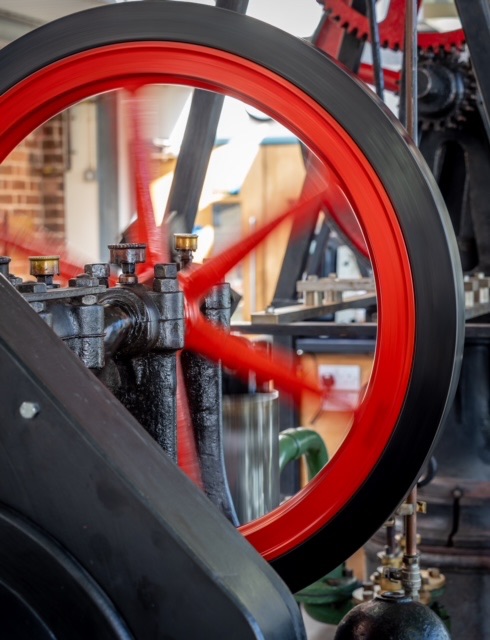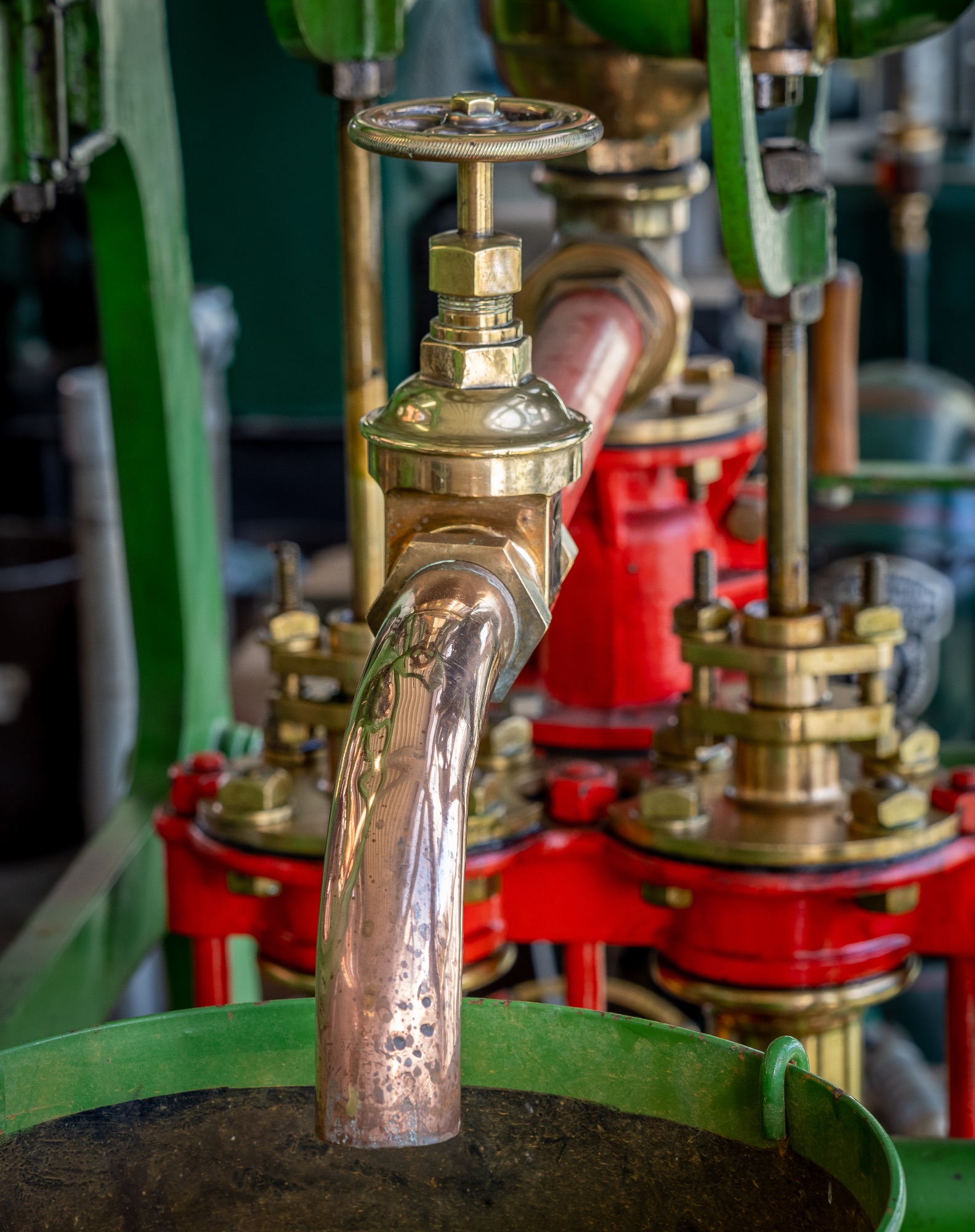
| Industrial heritage brought to life through massive working
pumping engines telling the story of drinking water, in a picturesque setting
by the River Wye. The Museum has the oldest triple-expansion steam engine
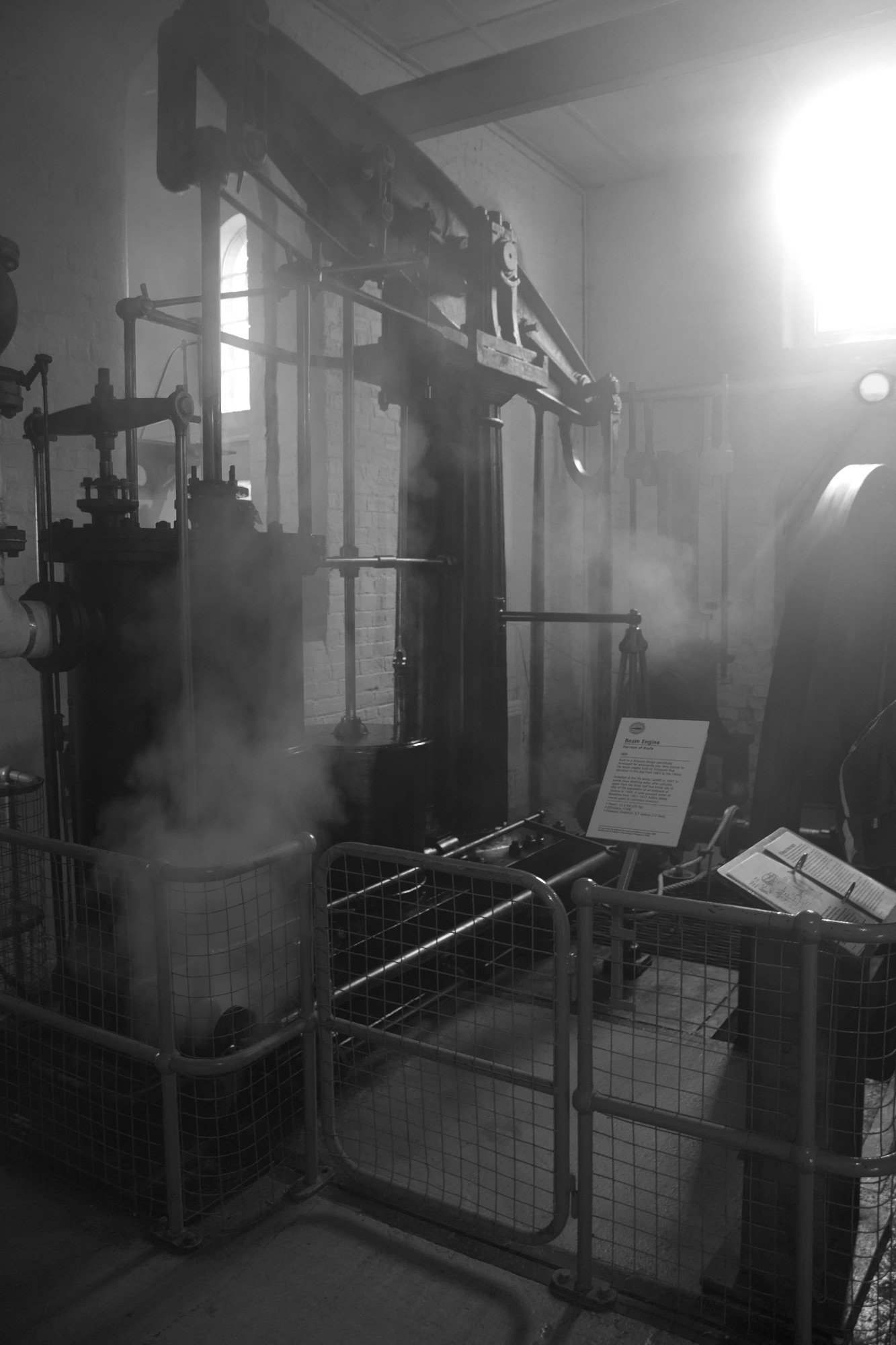
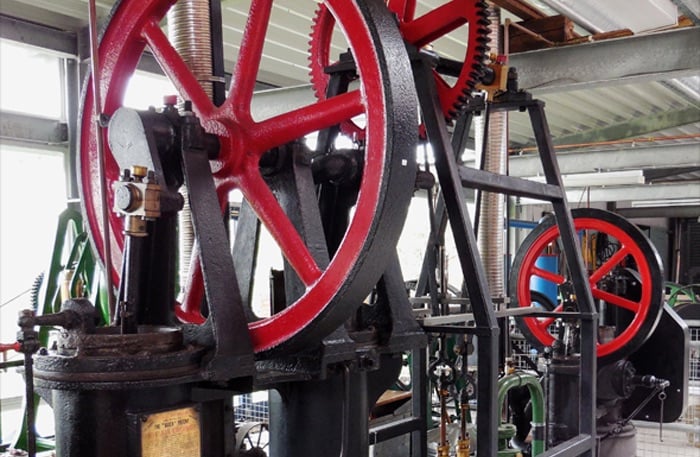
working in Britain plus historic beam, gas and diesel engines spanning the period
from the Industrial Revolution to the present day. |
|
Index |
|
|
Background
The Museum was founded in 1974 in the Victorian water pumping station which served
Hereford for 120 years. It was the foresight of the first chairman of the
Herefordshire Water Board, Stephen Southall, which brought about the establishment
of the Museum. However, it was not until the privatisation of water undertakings
in the UK in the early 1970s that his vision could be turned into reality. Due
to the shape of the catchment area of the River Wye, Herefordshire came under
the auspices of Dŵr Cymru Welsh Water. The company was immediately
supportive and the Museum was established as a separate charitable trust with
Stephen Southall as first chairman. |
|
History
Since its opening the Museum has enriched its collection not only with relevant engines and machinery to tell a coherent story, but a whole building has been moved which the Museum rescued from demolition. This was the historic water pumping station at Leominster which saved that town from an epidemic of typhoid fever in 1865. The history of water supplies in the county is depicted in high quality wall displays. These recall progress from the first cave-dwellers at Symonds Yat to the latest water-pumping and filtration systems at Hereford.
The engineering history which lies behind the main engines and machinery on site is explored through back-lit wall displays. Information about key historic figures is given and the water history of three specific towns is highlighted.
The Museum has an archive of written materials relating to the development of water supplies in Herefordshire and adjacent areas which is available for study. It is a treasure-trove of industrial heritage. |
 |
|
|
Organisation
The Waterworks Museum - Hereford is the operating name for Herefordshire Waterworks
Museum Ltd, an Accredited Museum, a company limited by guarantee and registered
as a charity.
The Council of Management comprises the directors of the company, the Company
Secretary, and other trustees elected at annual general meetings. The Museum
has no paid employees. One Trustee is a nominated senior representative
of Dŵr Cymru Welsh Water.
The Council meets formally four times each year and holds an Annual General Meeting
in early December. The designated officers of the Museum (Chairman, Vice-chairman,
Treasurer and Company Secretary) are chosen by the Trustees at the ordinary meeting
following the AGM. The Museum has an Honorary President chosen or reconfirmed
at the AGM. The Trustees are served by the Museum Administrator, an honorary
post. |
|
Funding
Funding falls under two main categories: capital funding for projects and revenue
support for day-to-day expenditure. The Museum always has one or more specific
projects under way which cover a wide range from the rescue and restoration of
engines, pumps or other relevant machinery, to major and minor building projects. Making
the collection more accessible to visitors in every sense is very important and
new display projects are continuously planned and carried out. Such projects
require capital funding and the Museum approaches various funding organisations
with appropriate proposals.
Admission charges are a valuable source of revenue funding but do not cover the
ongoing day-to-day expenditure of the Museum. Such funding is much more
difficult to attract from funding organisations and the Museum is especially
grateful to two such bodies which help to sustain the ongoing and increasing
costs of running this active, working and dynamic museum. In addition the
annual fees paid by Members of the Museum, especially where they are given under
Gift Aid, add considerably, and most valuably, to the funds available to the
Museum for revenue expenditure. |
|
Aims & Objectives
- To tell the historic and coherent story of the provision
of potable water and water supplies from earliest habitation to the close of
the 20th Century.
- To maintain the highest standards as an industrial-archaeology preservation
society in the rescue and restoration of artefacts relevant to the Museum’s
collection policy.
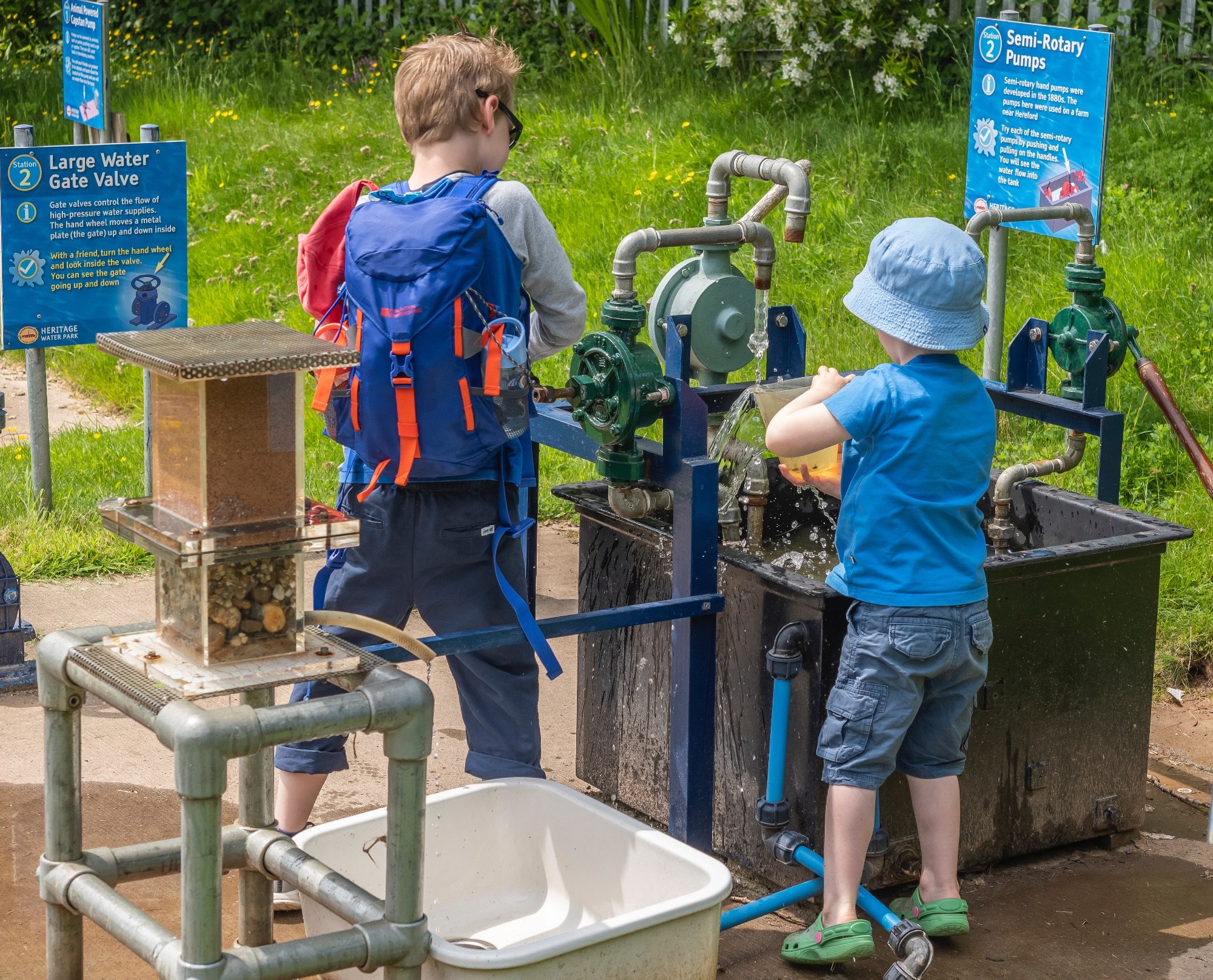
- To project the Museum as a valuable educational resource to local and regional
schools, further education and higher education establishments, and for the purposes
of lifelong learning.
- To make the Museum attractive and accessible, physically and intellectually,
to all groups in society.
- To present the Museum’s exhibits and artefacts to national standards
in order to maintain accreditation and to satisfy the needs of all users and
visitors.
- To become an acclaimed national centre of industrial heritage.
|
|
|
Key People (Management & Trustees)
- President of the Museum
- Chairman
- Vice-chairman & Chief Engineer
- Treasurer
- Visitor Services Manager
- Collections Manager
- Company Secretary
- Administrator
|
Stephen Southall
Noel Meeke
Peter Heaton
Newton Tucker
Pat Heaton
Sue Hubbard
Les Birch
Joan Hughes |
|
|
Developments
The development of the Museum is a continuous process and publicity material
carries the line: always something new. During the early years
of the present century two new external exhibits have been introduced. A
classic 1930s wind pump is now on working display together with a 19th century
horizontal upward-flow water turbine driving three reciprocating pumps. The
Museum has on site examples of all types of motive power for water pumping except
animal power. In the Southall Engine Gallery can now be seen the following engines
and pumps: |
|
Engines |
Pumps |
- Campbell hot-tube gas engine (1890s)
|
- Glenfield & Kennedy open-crank single-cylinder double-acting water pump
(1905)
|
- Hayward-Tyler Rider-type hot air engines (1890s) (1) 1hp (2) ½hp
|
- Joseph Evans 2-cylinder double-acting water pump (1920s)
|
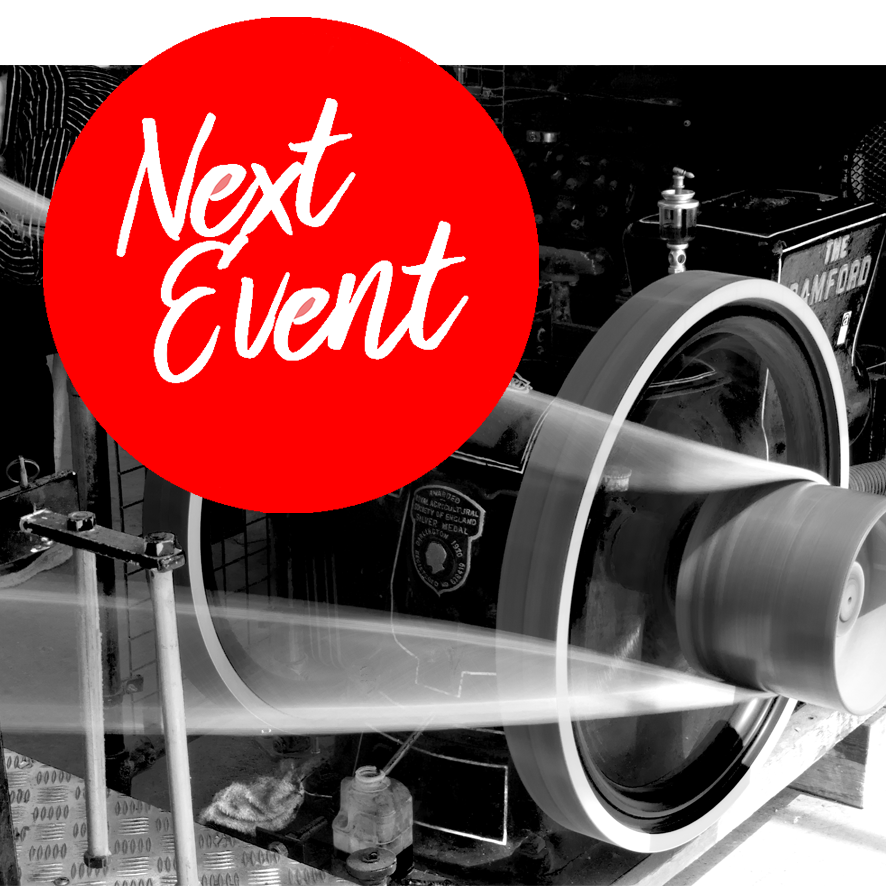
- Bamford petrol engine (1930s)
|
- Centrifugal pumps (1955) (1) 3-stage (2) 4-stage
|
- Pelapone-Ricardo diesel engine (1955)
|
- Hayward-Tyler pump driven by 1hp hot-air engine
|
|
|
Buldings & developments
In 2006 the superb new building comprising Easthall and Southall was added to
the Museum. Easthall provides excellent visitor facilities and an education
centre, whilst Southall provides a spacious engine gallery and a dedicated workshop
for the Museum’s volunteer engineers. The main building, the original
Victorian water pumping station for Hereford, was also refurbished as part of
the scheme. Funding for this major project came from the Heritage Lottery
Fund, Dŵr Cymru Welsh Water, English Heritage and the Southall Trust.
The Rotherwas Engine House was completed in 2007. It has been designed
to shelter the Blackstone EPV5 5-cylinder diesel engine and pumps which provided
the fire-fighting capability at the Royal Ordnance Munitions Factory at Rotherwas,
on the outskirts of Hereford. Originally installed in 1939, the engine
and all its ancillaries have been transferred to the Museum where they form the
centerpiece of an exhibition devoted to Hereford’s rôle in WW2. The
Blackstone engine has been restored to working order and the Mather & Platt
two-stage centrifugal split-case pump has been opened for visitors to see the
impellors. Funding for this second major project came from the Heritage
Lottery Fund ( Your Heritage strand) and the Southall Trust. |
|
Volunteers & Members
It is the membership which gives the Museum its solid base in the wider community. For
each member the subscription provides free access to the Museum on all public
open days, mailed copies of the award-winning newsletter WaterWords,
the opportunity to have a say in the running of the Museum at the AGM, a winter
social event and a summer gala day.
Many members also give their time, effort and expertise to the Museum as volunteers. Indeed
everyone who works at the Museum is a volunteer and more are always needed. |
|
Why do we need more help? Because:
- The Museum is increasingly popular with many more visitors
- We now open more regularly to visitors
- We are receiving many more group visits and school visits
- We have more working engines, exhibits and displays, all of which require
maintenance
- Much more work is going on behind the scenes, particularly in archives and
research
People ask, why should I join the volunteer team? Here are just a few
of the reasons:
- The work is stimulating, worthwhile and (if you want) challenging
- You will help to maintain unique aspects of Britain’s industrial heritage
at a site of clear national importance
- You will gain satisfaction from welcoming visitors and increasing their enjoyment
- You will learn new skills and acquire new knowledge
- You can find a fresh start, different perspectives, new friends
|
|
Community
Herefordshire, whilst a sparsely populated county, is a lively and vibrant community
with Hereford City at its centre. It is also a border county and like all
borderlands has a certain element of mystery. It is part of the English
Marches where Norman barons fiercely guarded their lands, based in numerous castles,
many of which can still be seen. Hereford City abounds with history having
received many Royal Charters and seen gory battles from the Roman period to the
Civil War. The River Wye has always played a major rôle in the city’s
fortunes and indeed the name Hereford means the crossing point for armies. Like
many towns in the mid-Victorian period its citizens succumbed to water-borne
diseases and in 1854 the Hereford Improvement Act was passed to enable the City
Fathers to provide paved streets, gas lighting and a piped supply of potable
(drinking) water. Because Herefordshire has no lakes, or the right geography
for reservoirs, and no significant underground aquifers, the River Wye was seen
as the only effective source for large quantities of drinking water. The
Victorian engineers lost no time in selecting a site some 1km west, and upstream,
of the city centre where the pumping station (now the Museum main building) could
be constructed above the flood plain and with Broomy Hill behind for the treatment
works and supply reservoir. This enabled them to supply the original centre
of Hereford, known as Hightown, with water by gravity.
The county is now also the source of many of the Museum’s volunteers. Most
are people who have retired to the county because it is such a beautiful place
to live. However, some volunteers live further afield, including the Welsh
border counties. The Museum has a warm place in the hearts of many people
in the local community and you will hear it talked about in positive terms wherever
people meet. It remains the only working museum in Herefordshire. |
|
Tourism
Hereford is in the midst of the wonderful Wye Valley, an area of rare natural
beauty. The Museum is situated just to the west of the city centre close
by the river. It can be reached by taking the Riverside Walk, part of the
nationally acclaimed Wye Valley Walk. The river plays a part in many aspects
of Herefordshire’s life, providing leisure activities such as angling,
rowing and canoeing and the life sustaining water supply for the population. In
days gone by the river was also a transport artery.
The Museum is within easy reach of the Midlands, Cotswolds, mid and south Wales. By
road follow the brown tourist signs from the main Wye Bridge on A49. On
foot follow the paths along the banks of the river. Hereford train and
bus stations are some 1.5km from the Museum. |
|
Facilities
The Waterworks Museum - Hereford has all the usual facilities that you would
expect at a fully Accredited Museum. With help from a number of organisations
the Museum has been made especially welcoming for visitors with a range of disabilities. All
part of the site can be accessed by wheelchair users and all signs use lettering
which is legible to those with impaired vision. Dogs cannot be admitted
to the Museum buildings with the exception of Guide Dogs. |
- Easy access and parking (up to 2 coaches by prior arrangement)
- Visitor centre, including temporary displays and DVD presentations
- Hot beverages, cold drinks and snacks. Ice cream in season
- Picnic tables in courtyard
- Museum shop selling souvenirs, guidebooks, postcards and Museum publications
- Level access and facilities for visitors with disabilities (whole Museum
accessible)
- Conference, meeting, education and event facilities with open-plan space
for 100 seated
- Audio-visual facilities
- Buffets and other catering requirements by prior arrangement
|
|